
📖 My current research interests are: time series forecasting, medical image segmentation and classification, control theory, model order reduction.
If you are seeking any potential academic collaboration, welcome to contact me by email:
📫: xiong.sijie.630@s.kyushu-u.ac.jp
I have been pursuing my Ph.D. degree at Kyushu University, Japan as of April 2024 following Prof. Atsushi Shimada (島田 敬士 シマダ アツシ ), and have a joint background in Control & Optimization, Control Theory, Mechanics, Finance, and Deep Learning.
I graduated from the Department of Electrical and Electronic Engineering at Imperial College London and obtained a Master degree in Control Systems with Distinction in 2021.
Prior to that, I received my Bachelor degree in Automation from the College of Energy and Electrical Engineering, Hohai University in 2020.
I also obtained an honor Bachelor degree in Applied Accounting from Oxford Brookes University jointly with ACCA.
Apart from degrees, I have been a member of the following associations on business:
- 💰 CQF, since 2022 (with Distinction).
- ⛰️ FRM, since 2021.
- 📒 ACCA, since 2022.
- ♻️ CFA Sustainable Investing Certificate, since 2024.
I have published some papers in excellent journals and conferences, such as ASOC, Neurocomputing, CAI, EMBC, SMC, ICASSP, IEEE CYBCONF, IEEE PRMVAI, ICML, NeurIPS. You can find my publications on Google Scholar.
🔥 News
- The show must go on.
- 2026.08.14 🎉 KFC: Enhancing Lightweight Chest X-Ray Image Classifiers with Koopman-Inspired Filter was accepted by ICONIP 2026.
- 2026.07: 🎉 U-MA was accepted by EAAI.
- 2026.05: 🎉 KUMA (Poster) was accepted by ICML 2026.
- 2026.05: 🎉 GlucoMixer (Poster) was accepted by IEEE ICASSP 2026.
- 2026.05: 🎉 GluConv (Oral) was accepted by IEEE PRMVAI 2026. (Best Paper, Invited as Workshop 21 Chair)
- 2026.04: 🎉 GluPIDHW (Oral) was accepted by IEEE CYBCONF 2026. (Invited as Session Chair)
- 2025.10: 🎉 Attention Mamba (Oral) was accepted by IEEE SMC 2025 and online.
- 2025.09: 🎉 FairyTaleQA Chinese (Poster) was accepted by APSCE ICLEA 2025 and online, winning The Best Poster Award.
- 2025.08: 🎉 CME-Mamba was accepted by ASOC and online.
- 2025.07: 🎉 GluTANN (Oral) was accepted by CAI 2025 and online.
📝 Publications
🩸 Diabetes Glucose Monitoring
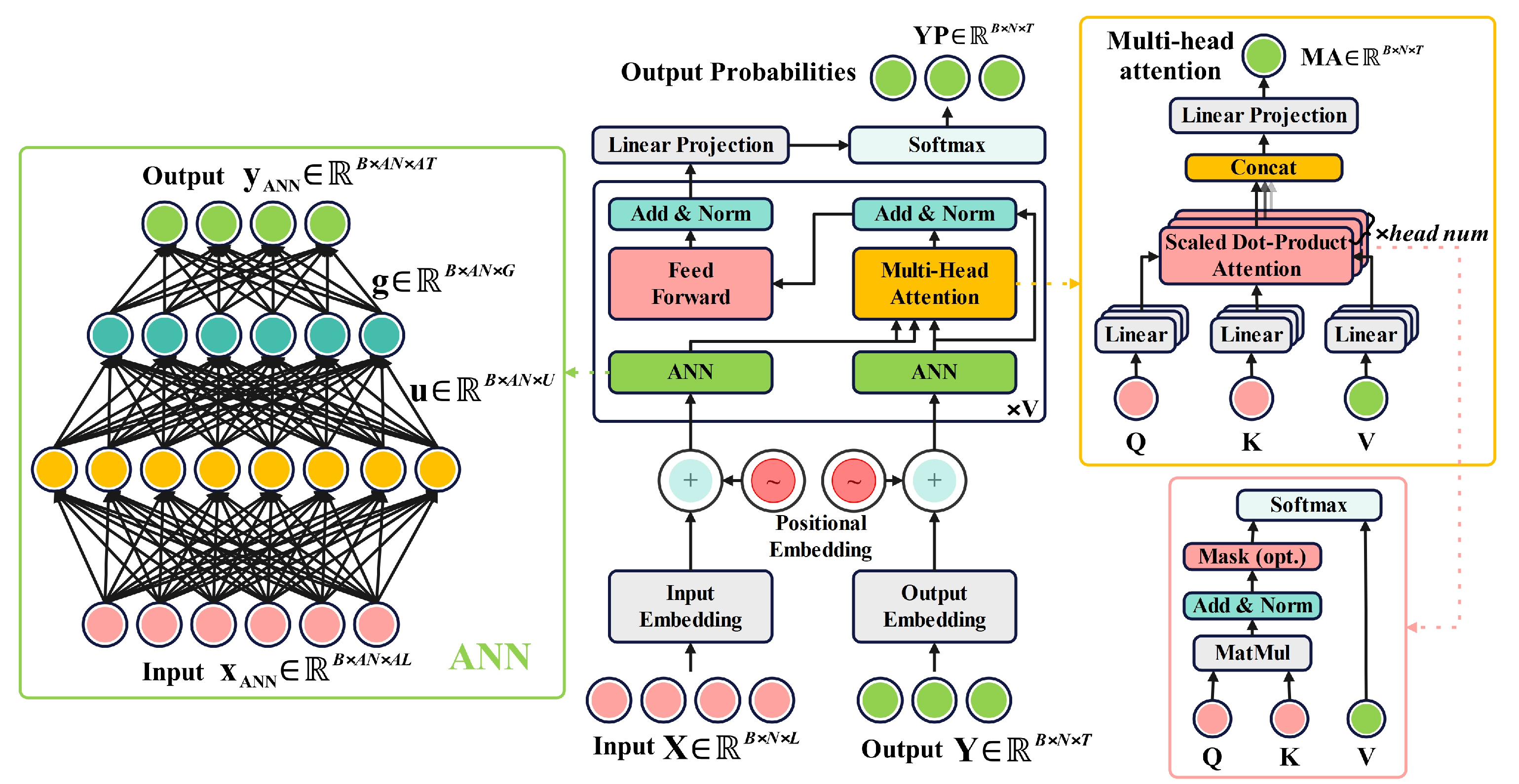
GluTANN: Transformer-Based Continuous Glucose Monitoring Model with ANN Attention
Sijie Xiong, Youhao Xu, Cheng Tang, Jianing Wang, Shuqing Liu, Atsushi Shimada
- Abstract: In this work, we propose an innovative model based on Transformer architecture, GluTANN, with specially designed ANNs acting as self-attentions and paired correlations preserved by the encoder-decoder structure. Extensive experiments across five recognized datasets demonstrate that GluTANN has great competitiveness in reducing uncertainty while preserving satisfying accuracy, providing a feasible approach to effective glucose management and diabetes medical decisions.
- Core Idea: Reduce redundant tokens of Transformer-based models as much as we can.
- Domain: Time Series Forecasting, Diabetes, Glucose Monitoring
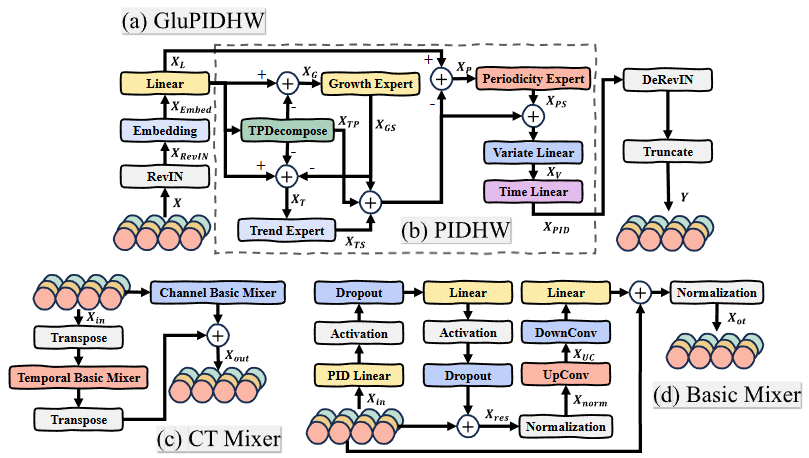
GluPIDHW: A PID-Holt-Winters Model for Personalized Glucose Monitoring
Youhao Xu+, Sijie Xiong+, Tao Sun, Jianing Wang, Cheng Tang, Atsushi Shimada
- Abstract: The increasing worldwide incidence of diabetes has created a pressing demand for accurate and reliable glucose monitoring. Nevertheless, conventional machine learning methods exhibit limitations in trustworthiness and personalization, while deep learning methods with excellent trustworthiness underperform in accuracy and responsiveness. To realize an equilibrium, we propose an efficient model named GluPIDHW. Built upon an optimized Holt–Winters architecture augmented by a PID controller, GluPIDHW achieves improved accuracy and enhanced responsiveness. Extensive experiments conducted on five recognized datasets and out-of-distribution tasks demonstrate the superiority performance of GluPIDHW over excellent counterparts. This leadership is further validated by a Friedman testing and collectively, GluPIDHW offers a promising paradigm for continuous glucose monitoring and data-driven medical diagnose.
- Core Idea: Analogy from PID controller to Holt-Winters model.
- Domain: Time Series Forecasting, Diabetes, Glucose Monitoring
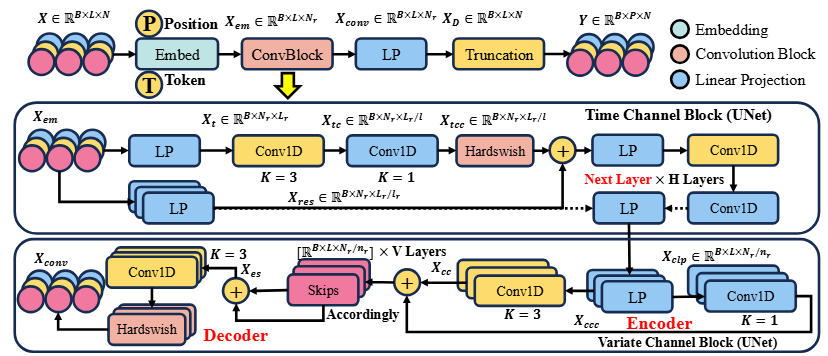
GluConv: Toward Trustworthy Convolutional Modeling for Sequential Signal Forecasting
Sijie Xiong, Haiqiao Liu, Yinlong Hu, Atsushi Shimada
-
Abstract: Sequential signal forecasting is a fundamental challenge in machine learning, requiring models that simultaneously achieve high accuracy, responsiveness, trustworthiness. Existing shallow machine learning approaches provide fast inference but frequently lack trustworthiness in long-term supervision, while deep learning methods with improved reliability typically suffer from reduced responsiveness and degraded accuracy performance. To address these limitations, GluConv, an efficient convolution-based forecasting framework, is proposed. Accuracy, trustworthiness, and responsiveness are well balanced and preserved. GluConv nearly builds upon multi-scale convolutional units to capture both variate correlation and temporal dependency in sequential signals. Extensive experiments on continuous glucose monitoring benchmarks demonstrate that GluConv consistently outperforms excellent machine/deep learning baselines on reliability and responsiveness, while maintaining competitive accuracy. These properties make GluConv a Convincing, Convolutional, and Convenient scheme for trustworthy forecasting.
-
Core Idea: Combine U-Net and Convolutions.
-
Domain: Time Series Forecasting, Diabetes, Glucose Monitoring
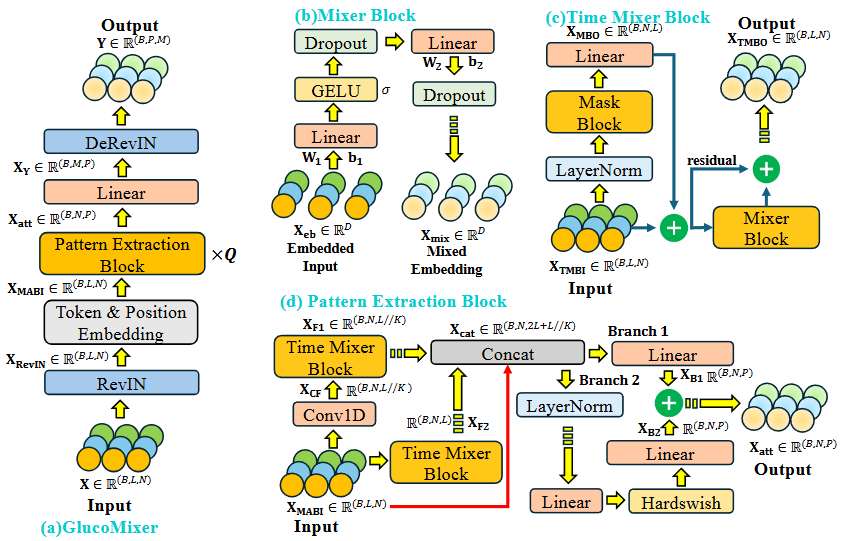
GlucoMixer: An Efficient Glucose Monitoring Model with Mixers
Sijie Xiong, Jianing Wang, Tao Sun, Cheng Tang, Fumiya Okubo, Atsushi Shimada
- Abstract: With the global prevalence in diabetes and scarcity of definitive clinic schemes, the need for effective and reliable glucose monitoring has become imperative. Due to excellent responsiveness and precision, machine learning (ML) models have been widely employed by continuous glucose monitors (CGMs). However, recent studies have raised concerns that ML-based models often exhibit limited trustworthiness, injecting uncertainty into medical practices. In contrast, deep learning (DL) models are recognized as more trustworthy, but they are struggling with accuracy. To strike a balance between accuracy and trustworthiness, we propose GlucoMixer, an Encoder-only architecture built predominantly with Mixer modules. To prevent future information leakage, we design a Mask Block that employs a lightweight triangular masking scheme. Given the presence of two diabetes types, we employ a convolutional layer to distinguish relevant information and take two Time Mixer Blocks to handle distinct patterns accordingly. Comprehensive In-Distribution (ID) and Out-of-Distribution (OD) evaluations across five benchmark datasets highlight GlucoMixer’s superior performance in high predictive accuracy alongside excellent trustworthiness. According to the test ranking, GlucoMixer is more balanced across multiple evaluation metrics, demonstrating its potential as a practical spur for reliable glucose management and medical decisions.
- Core Idea: Combine linear projections and mask techniques to achieve a lightweight model.
- Domain: Time Series Forecasting, Diabetes, Glucose Monitoring
🚥🚦 Control & Time Series Forecasting
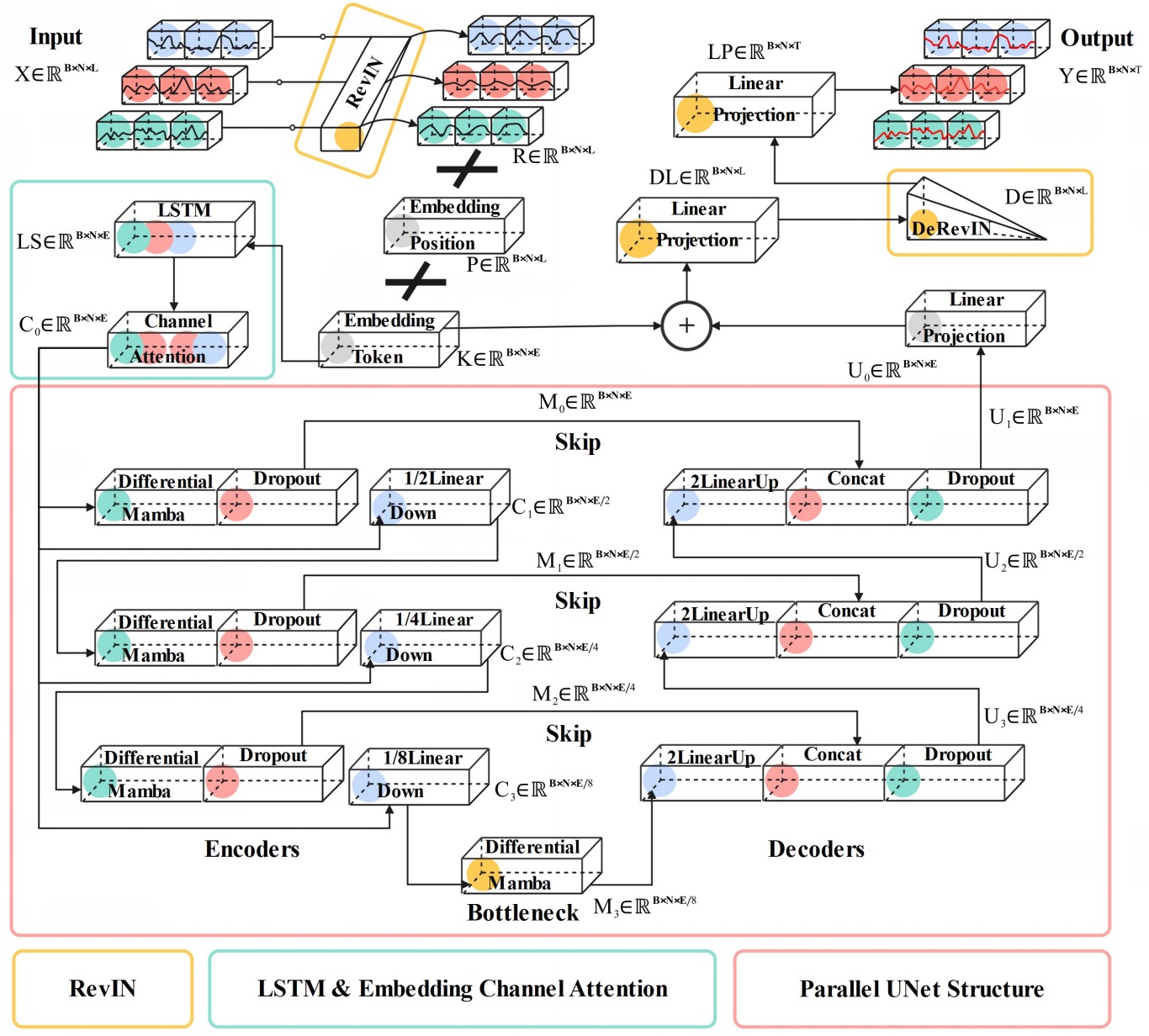
A Unified Framework with Differential State Space Representations under Parallel Encoder and Decoder Scheme for Time Series Forecasting
Sijie Xiong, Yuanyuan Zhang, Cheng Tang, Haoling Xiong, Yiding Li, Atsushi Shimada
- Abstract: Accurate time series forecasting plays a pivotal role across numerous real-world domains, underpinning applications ranging from finance to traffic management. Selective state space models that draw inspiration from control theory, displaying superior performance in multivariate time series forecasting. However, few variants offer a unified approach capable of achieving leading performance across simple and complex scenarios. An encoder and decoder convolutional network with skip connections can alleviate this issue. Thus, this paper proposes an innovative artificial intelligence framework for time series forecasting across diverse domains, borrowing the concept of encoder and decoder schemes and introducing a parallel encoder and decoder structure based on selective state space representations. The proposed model enhances the vanilla selective state space models by integrating a forget gate mechanism, and a differential operation is incorporated to filter out random noise from transient signals, effectively refining and enhancing distinct features. Moreover, this framework incorporates long short term memory function along with an embedding channel attention mechanism to alleviate the potential disruption of long-term dependencies caused by down-sampling. This combination ensures the preservation of long-range embeddings and attentions, enhancing overall forecasting performance. Extensive experiments on benchmarking models and principal components across a wide range of prominent datasets highlight the unified effectiveness of the proposed framework in various scenarios, solidifying the superior position among leading models.
- Core Idea: Leverage Mamba and parallel U-Net structure with differential operations to cater for general time series forecasting.
- Domain: Time Series Forecasting, Control, Noise Reduction
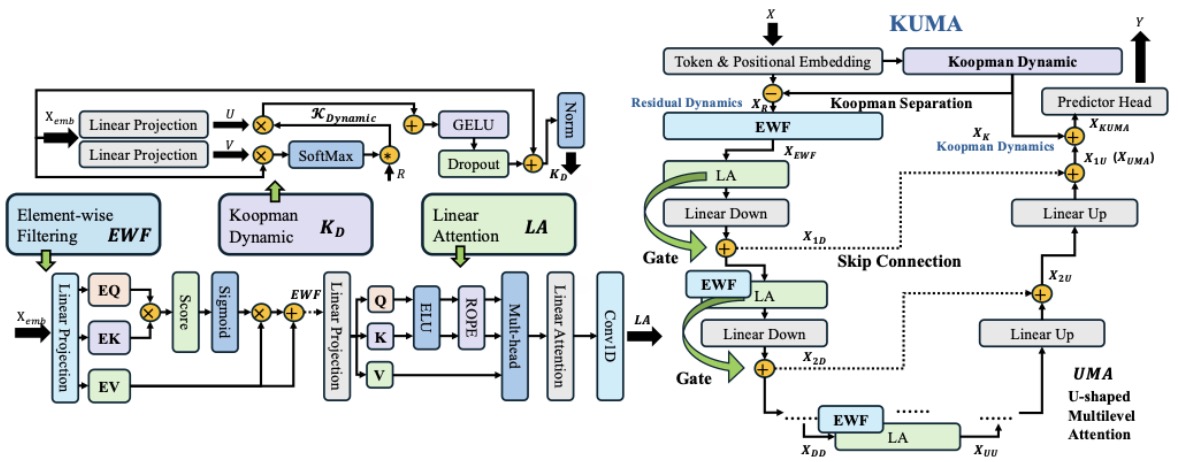
KUMA: A Novel Framework with Koopman Separation and Efficient Multilevel Extraction in Time Series Forecasting
Sijie Xiong, Cheng Tang, Atsushi Shimada
- Abstract: Time series forecasting plays a crucial role in a wide range of real-world applications and has become increasingly complex with the growth of multivariate dimensions and extended historical observations, leading to the prosperity of deep forecasting models. Previous models are hindered by three major challenges: high computational complexity, inefficient token utilization caused by redundancy and scarcity, and temporal distribution shifts resulting from non-stationary dynamics. Inspired by Koopman theory and the success of multilevel encoder–decoder architectures with skip connections, we design an input-dependent Koopman module to decompose time series into Koopman dynamics and residual dynamics. Building upon this formulation, we propose a U-shaped Multilevel Attention module (UMA) that integrates element-wise attention filtering and linear attention, giving rise to KUMA. The input-dependent Koopman operator mitigates the issue of operator mixture and alleviates temporal distribution shifts, while UMA achieves a favorable balance between token redundancy and token scarcity with acceptable computational efficiency. Comprehensive evaluations across 12 benchmark datasets demonstrate that KUMA achieves superior performance compared to existing excellent approaches.
- Core Idea: Design an adaptive Koopman module; Design the multilevel structure with Mamba-inspired linear attention.
- Domain: Time Series Forecasting, Separation Scheme
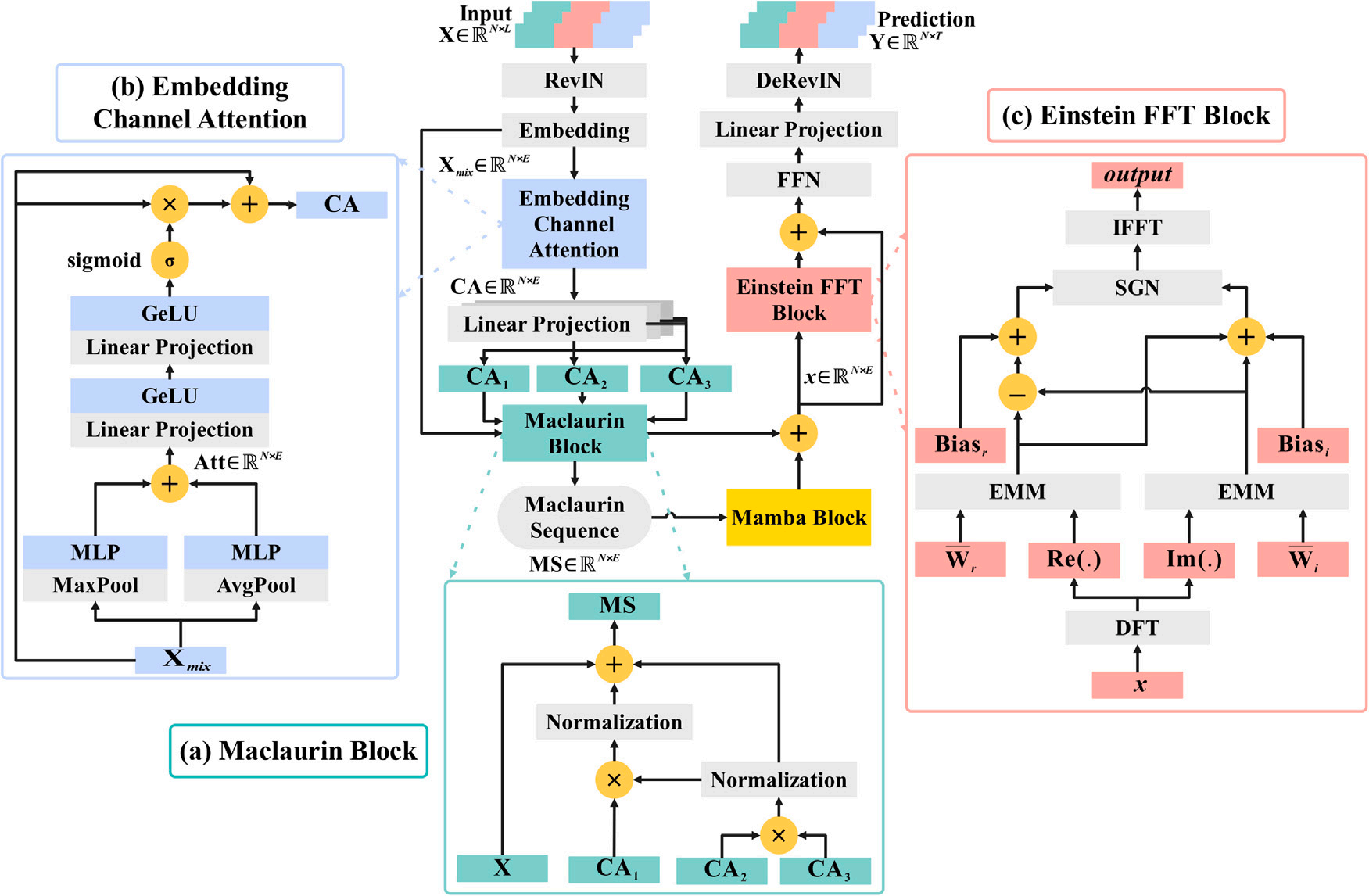
Enhancing Nonlinear Dependencies of Mamba via Negative Feedback for Time Series Forecasting
Sijie Xiong, Cheng Tang, Yuanyuan Zhang, Haoling Xiong, Youhao Xu, Atsushi Shimada
- Abstract: In this work, we are inspired by the curvature from financial domains and control systems, proposing CME-Mamba. The effectiveness, stability, robustness, etc., are discussed. Extensive experiments demonstrate that CME-Mamba grows excellent to uncover complex paradigms and predict future states in various domains, especially improving the performance for periodic and high-variate situations.
- Core Idea: Leverage negative feedback loop to enhance non-linearity for TSF models.
- Domain: Time Series Forecasting, Control
🏫 Education
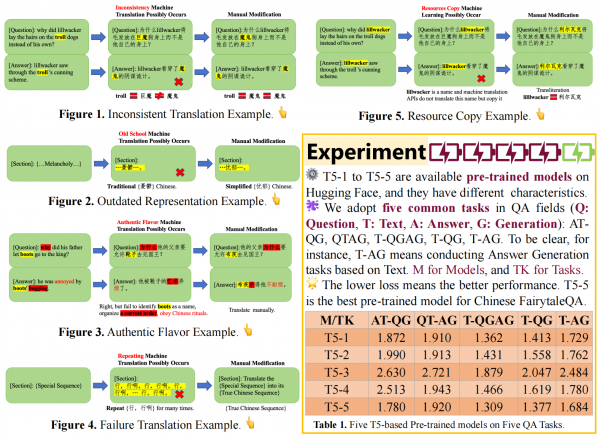
Fine-tuned T5 Models on FairytaleQA Chinese Dataset
Sijie Xiong, Haoling Xiong, Tao Sun, Haiqiao Liu, Fumiya Okubo, Cheng Tang, Atsushi Shimada
- Abstract: Question Answering (QA) is very important for comprehension learning and FairytaleQA is widely employed in this domain. However, rare versions in a limited number of alphabet languages restricts its application and current translators have five fatal errors. In our study, we manually translate FairytaleQA into Chinese and test its effectiveness via five fine-tuned T5 models.
- Core Idea: Extend current QA datasets on education for pre-trained models.
- Domain: Question-Answering, Education, Pre-trained Models
Others
- Jianing Wang, Wei Dai, Tianyun Li, Xiang Zhu, Weiye Xu, Sijie Xiong, “Optimization of Nonlinear Energy Sinks for Broadband Vibration Suppression in Marine Propulsion Systems”, Journal of Vibration and Control (JVC). Jan. 2026.
- Yuanyuan Zhang, Haocheng Zhao, Sijie Xiong, Rui Yang, Eng Gee Lim, Yutao Yue, “From High-SNR Radar Signal to ECG: A Transfer Learning Model with Cardio-Focusing Algorithm for Scenarios with Limited Data”, IEEE Transactions on Mobile Computing (TMC). Oct. 2025.
- Tao Sun, Sijie Xiong, Cheng Tang, Haichuan Yang, Fumiya Okubo, Atsushi Shimada, “Decomposed Seasonal-Trend Network with Rotary Attention for Time Series Forecasting”, in 2026 IEEE International Conference on Acoustics, Speech, and Signal Processing (ICASSP). May 2026.
- Yuanyuan Zhang, Sijie Xiong, Rui Yang, Eng Gee Lim, Yutao Yue, “Recover from Horcrux: A Spectrogram Augmentation Method for Cardiac Feature Monitoring from Radar Signal Components”, in 2025 47th Annual International Conference of the IEEE Engineering in Medicine & Biology Society (EMBC), IEEE. Nov. 2025.
- Haiqiao Liu, Tsubasa Minematsu, Chengjiu Yin, Sijie Xiong, Atsushi Shimada, “Exploring the Relationship Between System Operation Behaviors and Learning Achievement in Agricultural Education”, in 2025 33rd International Conference on Computers in Education (ICCE), IEEE. Oct. 2025.
- Tao Sun, Li Chen, Sijie Xiong, Cheng Tang, Gen Li, Atsushi Shimada, “FERL-YOLO: Facial Expression Recognition Model of Learners”, in 2025 International Conference on Learning Evidence and Analytics (ICLEA), APSCE. Sep. 2025.
- Shuqing Liu, Li Chen, Sijie Xiong, Haiqiao Liu, Cheng Tang, Atsushi Shimada, “DiaRoBERTa: A Multi-Party Dialogue Model for Multi-Skill Recognition in Classroom Collaborative Problem Solving Discussions”, in 2025 International Conference on Learning Evidence and Analytics (ICLEA), APSCE. Sep. 2025.
- Haiqiao Liu, Tsubasa Minematsu, Chengjiu Yin, Shuqing Liu, Sijie Xiong, Atsushi Shimada, “Integrating Scaffolding Strategies with Environmental Monitoring Systems to Enhance Learning and Practical Skills in Agricultural Education”, in 2025 International Conference on Learning Evidence and Analytics (ICLEA), APSCE. Sep. 2025.
🏅 Honors and Awards
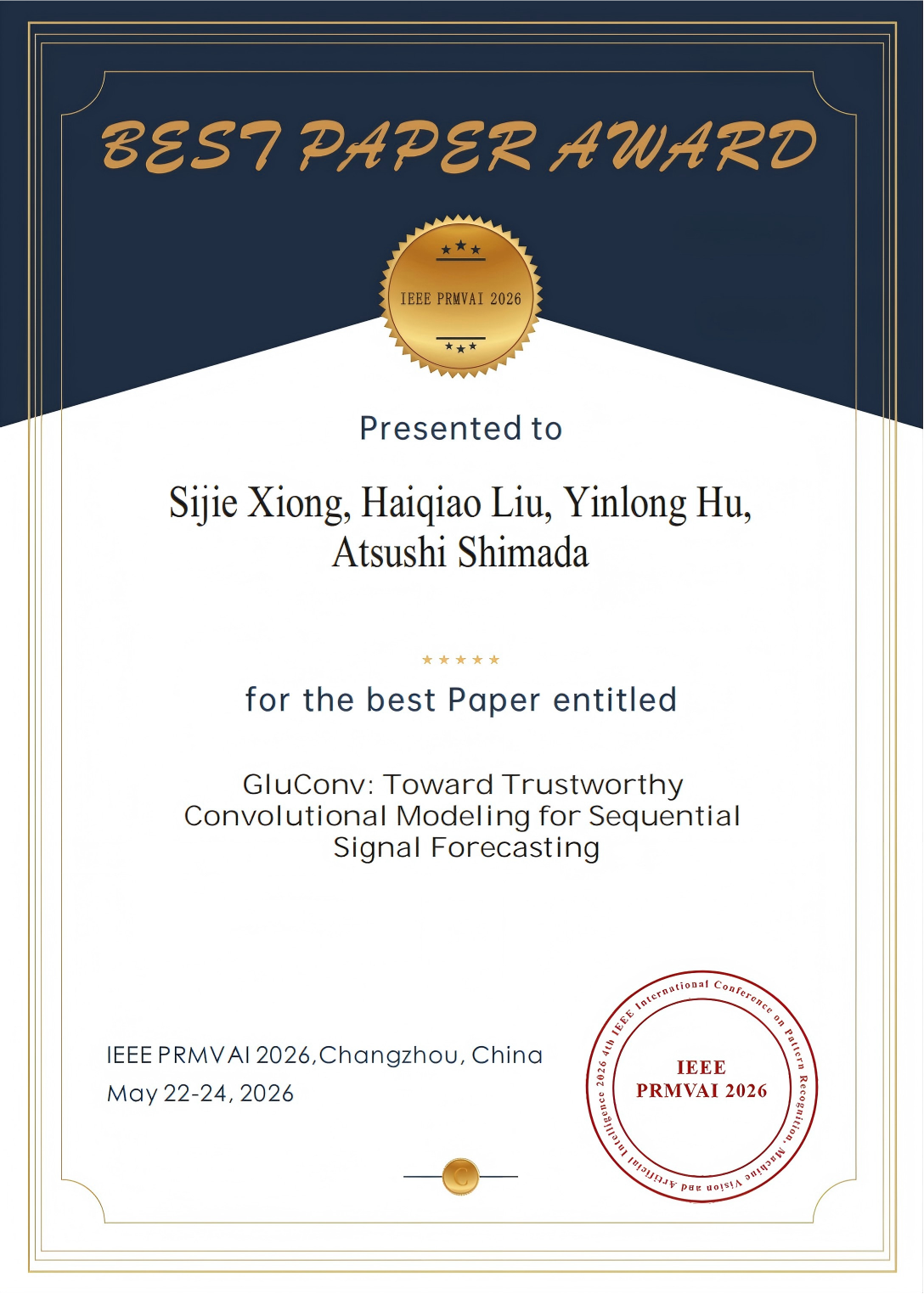
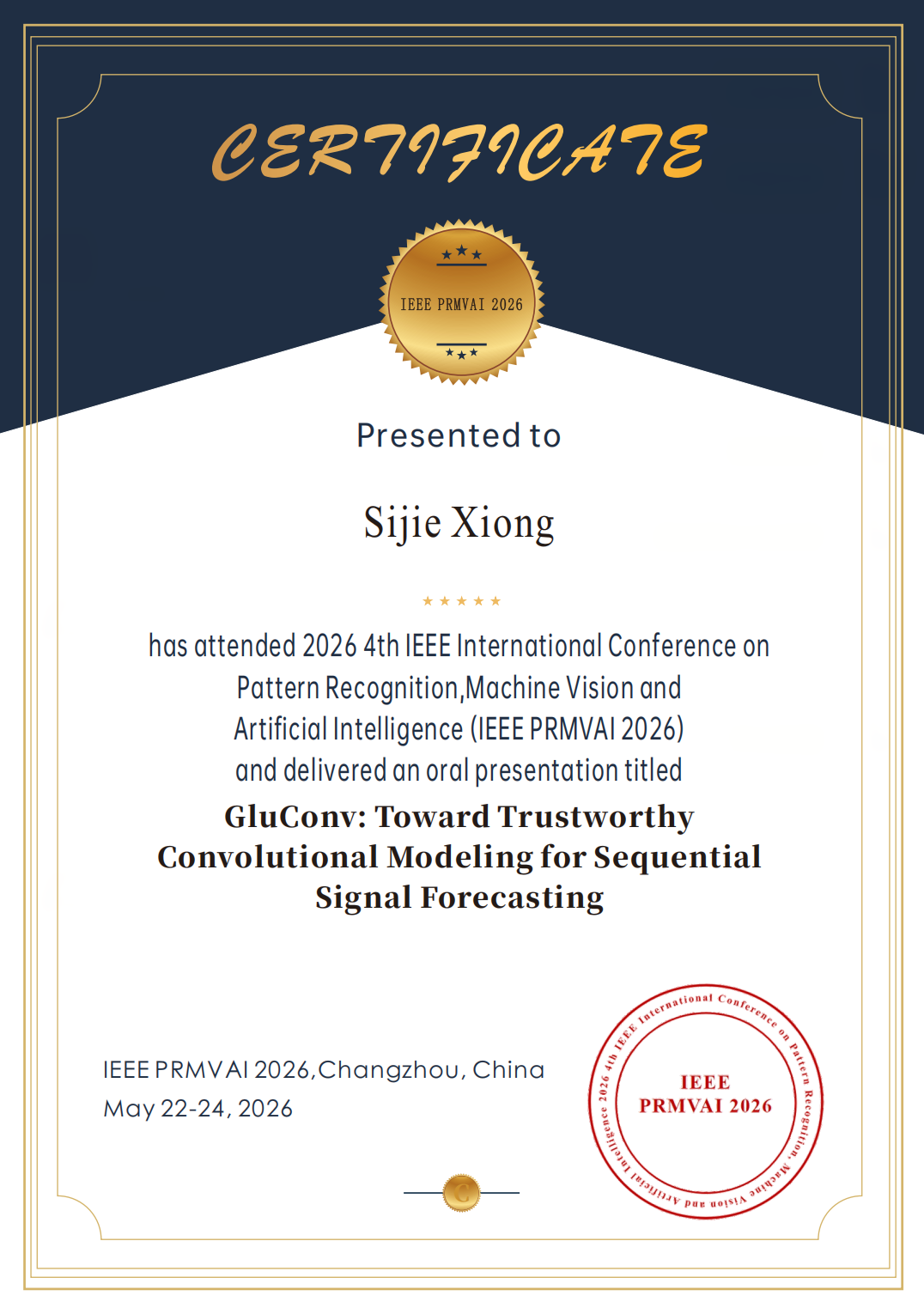

May 2026 The Best Paper Award, Oral Presentation, and Workshop 21 Chair of IEEE PRMVAI 2026 hosted by Hohai University.
- Best Paper Award of IEEE PRMVAI 2026.
- Oral Presentation at IEEE PRMVAI 2026.
- Workshop 21 Chair of IEEE PRMVAI 2026.
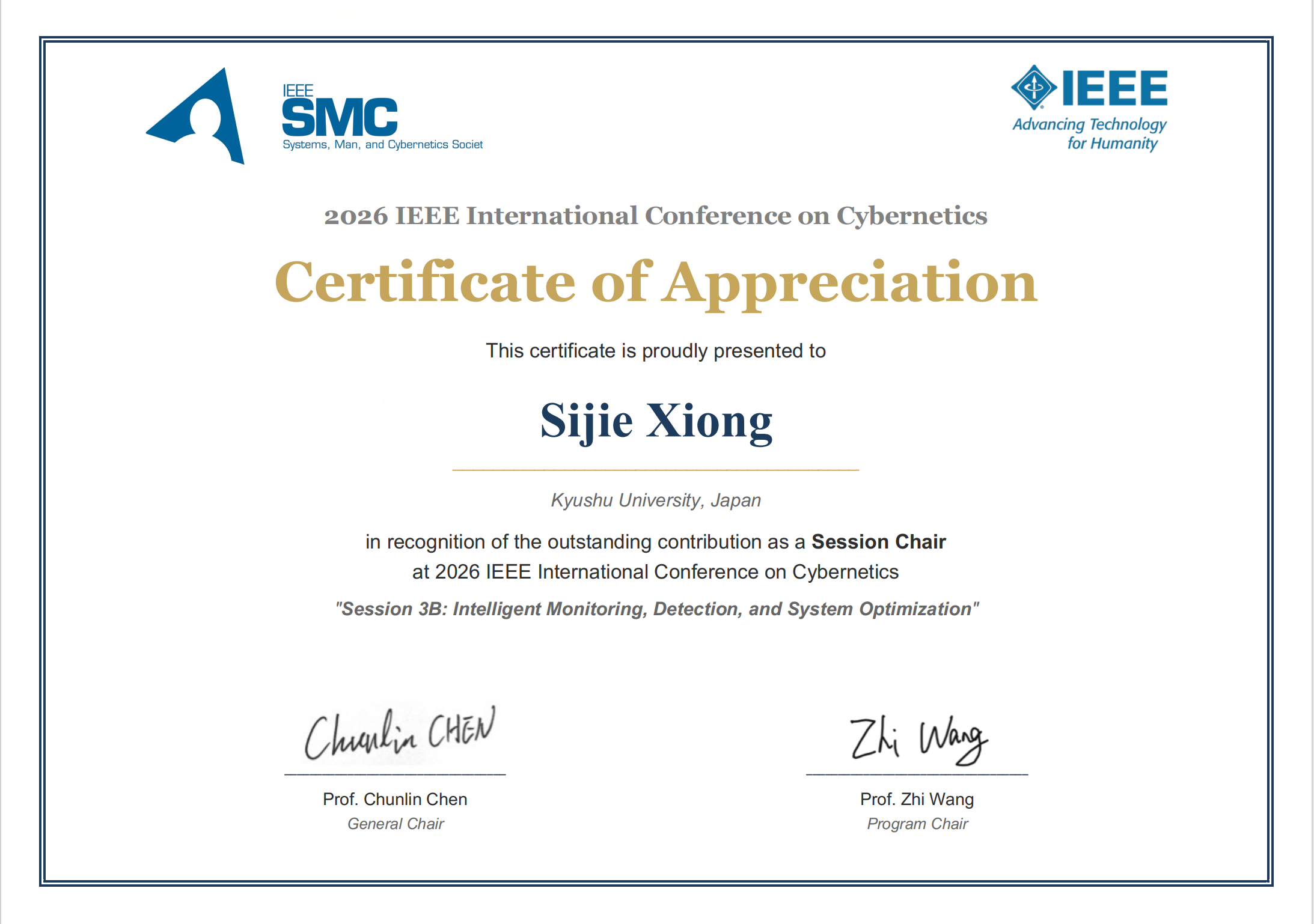
Apr. 2026 Session Chair of IEEE CYBCONF 2026 hosted by Nanjing University.
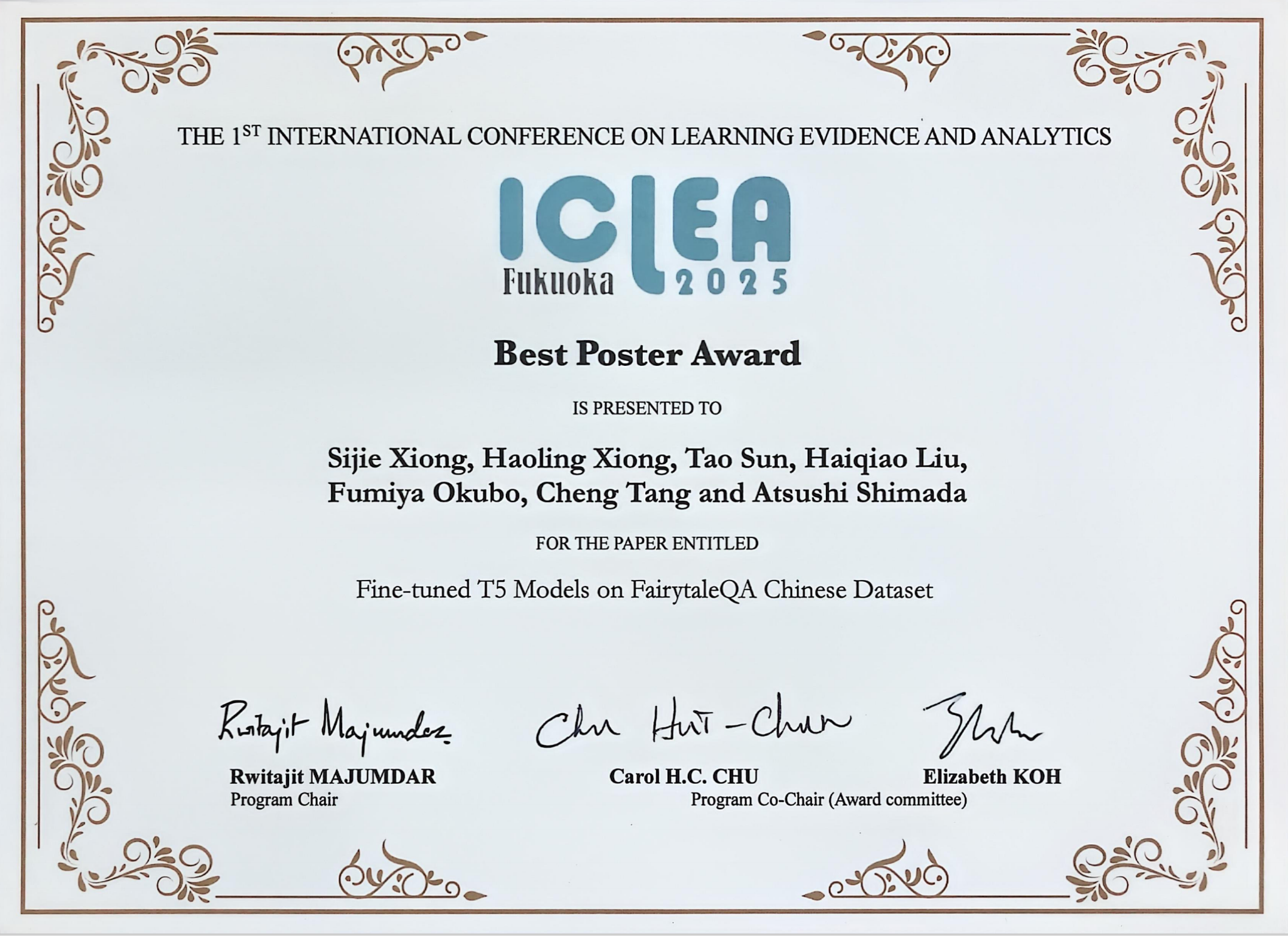
Sep. 2025 The Best Poster Award of 2025 International Conference on Learning Evidence and Analytics (ICLEA).
- Oct. 2020 Honorary Title of Learning Model Student (2019-2020), Hohai University. (1st Student in the 4th Academic Year).
- Oct. 2020 Academic Excellence Scholarship (2019-2020), Hohai University.
- Oct. 2020 Spiritual Civilization Scholarship (2019-2020), Hohai University.
- Oct. 2019 Academic Excellence Scholarship (2018-2019), Hohai University.
📖 Educations
-
2024.04 - 2026.09, SGU-Ph.D., Kyushu University, Fukuoka, Japan. (Early Graduation)
-
2020.10 - 2021.10, M.Sc., Imperial College London, London, UK.
-
2020.09 - 2021.09, B.Sc. (Hons), Oxford Brookes University, Oxford, UK.
-
2019.08 - 2019.08, Summer School: World Challenge and Innovation Program, Imperial College London, London, UK.
-
2016.09 - 2020.06, B.Eng., Hohai University, Nanjing, China.
💬 Employment
- 2021.12 - 2024.04, Senior Software Engineer, HUAWEI Technologies Co., Ltd., Shanghai.
💻 Internships
- 2021.09 - 2021.12, Portfolio Investment Strategy Intern, China Futures Co., Ltd., Shanghai.